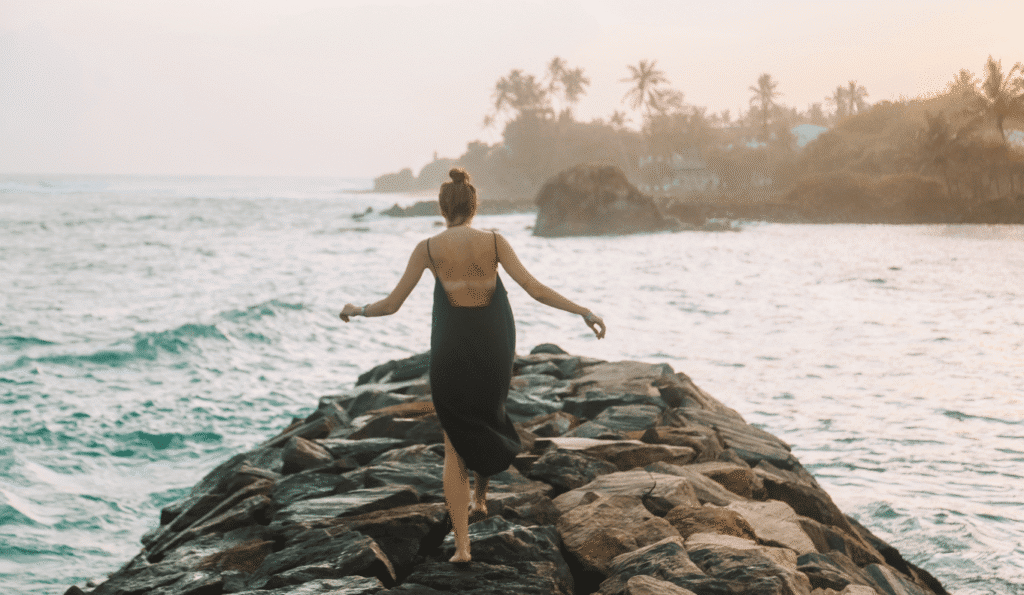
Planning your stay at Salt House? Whether you’re visiting for a few days or planning to travel around the island, Sri Lanka has so much to offer beyond its beaches. From finding your favourite local rice and curry to discovering new surf spots, exploring ancient temples, learning about traditional crafts or spending a few days in the mountains, there’s plenty to experience.
We’ve put together recommendations based on the places we enjoy and the experiences we think are worth adding to your trip. From local restaurants and wellness spaces to cultural landmarks and hidden corners of the south coast, think of this as a starting point for exploring the island, with a few local favourites along the way.
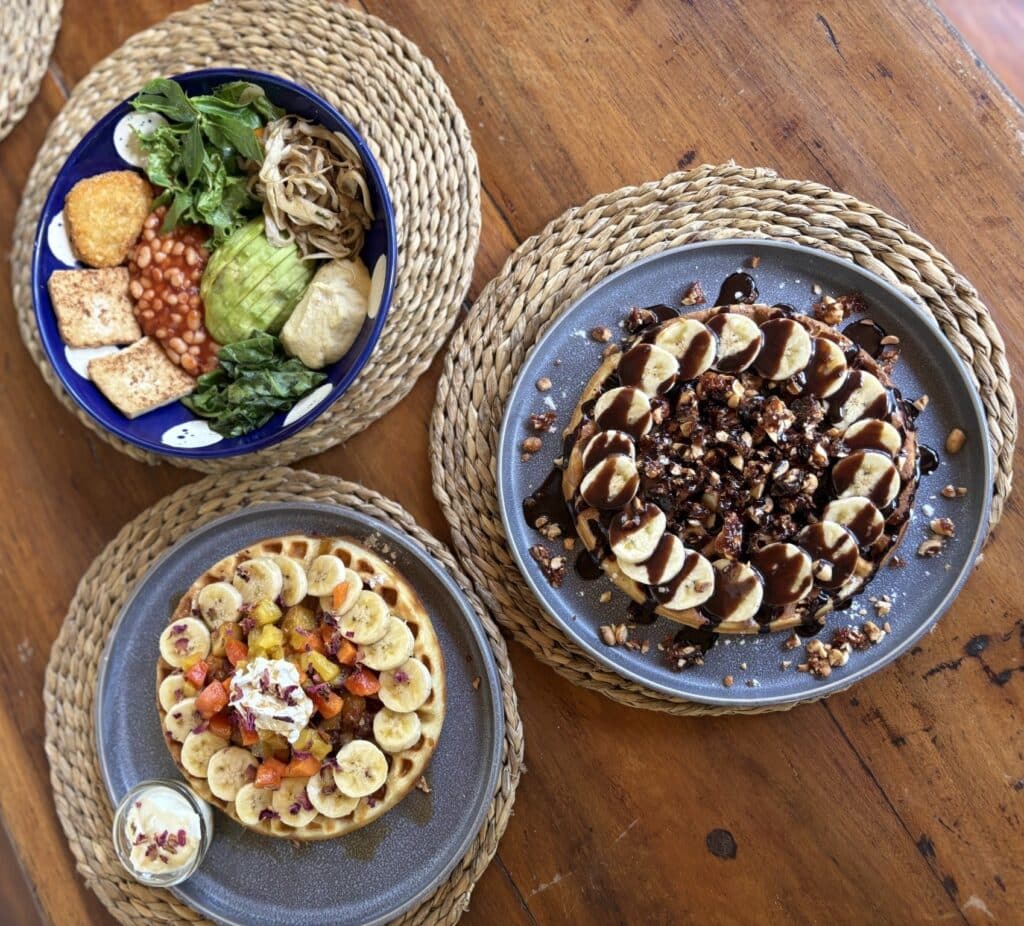
Food is a big part of travelling around Sri Lanka, and the south coast has developed a really interesting food scene over the years. You’ll find traditional family-run restaurants serving homemade rice and curry alongside independent cafés, beachfront restaurants, sushi bars, smoothie bars and places experimenting with more contemporary menus.
If you’re staying around Hiriketiya or travelling along the south coast, these are some of the places we’d recommend adding to your food list.
Traditional Sri Lankan Food
If you want to try authentic Sri Lankan food, homemade rice and curry or local specialities, these are some good places to start:
Kingsley Hot Kitchen – Traditional Sri Lankan food, vegetarian options, rice and curry and local favourites. Located in Hiriketiya.
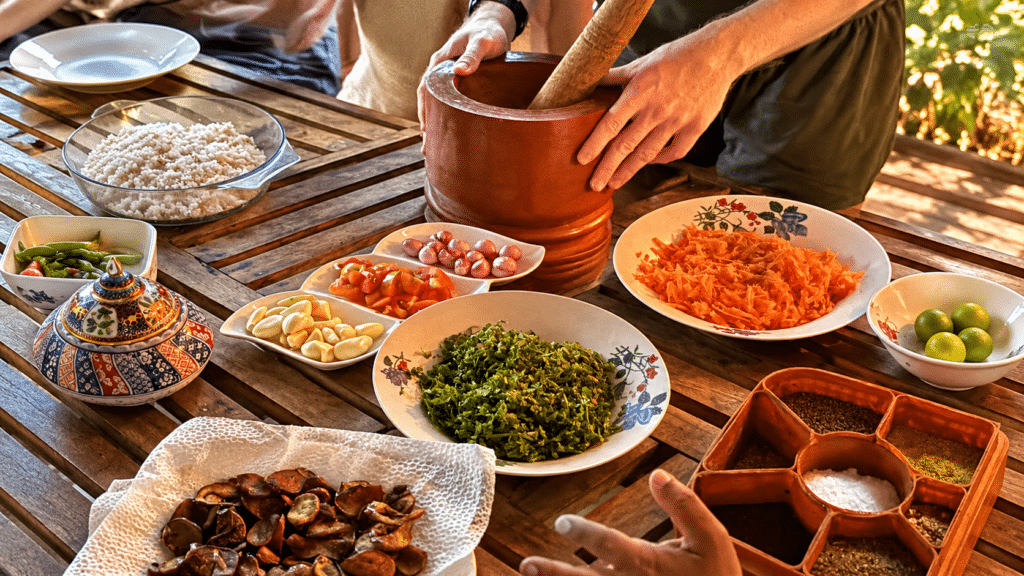
Rosie’s Kitchen – A traditional Sri Lankan cooking class hosted by Rosie, a local woman from Hiriketiya. Learn to prepare authentic local dishes, discover traditional ingredients and cooking techniques, and enjoy the meal you’ve cooked together. A great opportunity to experience local food and get to know someone from the community.
Lemon Grass Cafe – Homemade Sri Lankan meals and generous portions. Located in Hiriketiya.
Healthy Resources – Sri Lankan rice and curry, kottu and home-style dishes. Located in Dickwella.
Local family-run restaurants – Explore the small restaurants around Dickwella town for homemade food and authentic local cooking. Sometimes the simplest places offer some of the best meals.
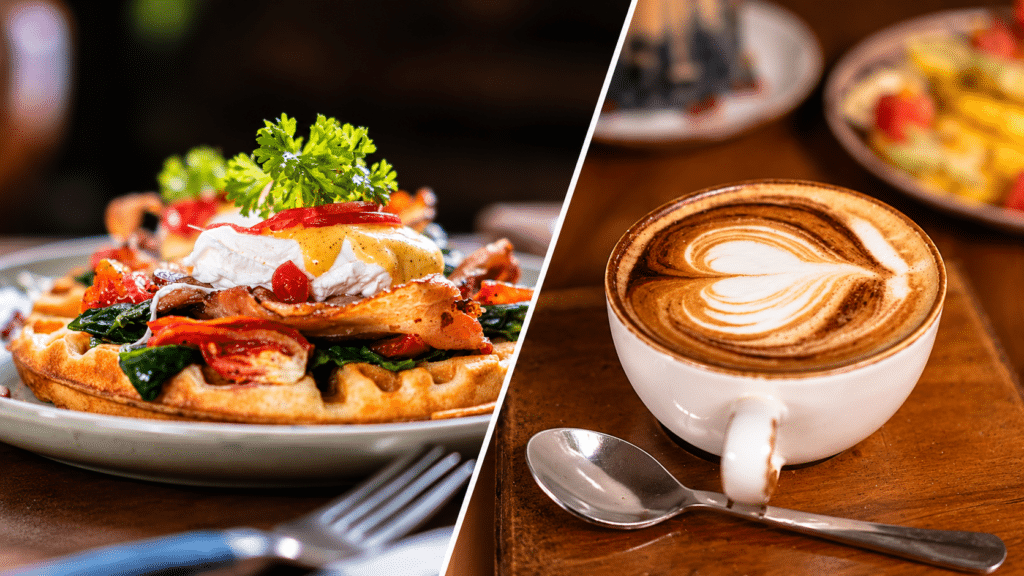
The south coast has become a great destination for speciality coffee, healthy breakfasts, smoothie bowls and long brunches.
Healthy Food & Contemporary Dining
If you’re looking for lighter meals, fresh ingredients, colourful bowls or something a little different, these places are worth exploring.
Italian Food, Pizza & Pasta
For pizza lovers, the south coast has quite a few places worth knowing about. From Italian-inspired pizza to more casual beachfront options, these are some recommendations.
Beachfront Restaurants & Beach Clubs
One of the best things about eating around the south coast is being able to enjoy a meal with the ocean just a few steps away. These places are worth checking out if you want to combine food, drinks and beach time.
Cocktails & Special Dining Experiences
If you’re looking for somewhere special for dinner or want to explore creative food and drinks, these places are worth considering.
Exploring More Restaurants Along the South Coast
The food scene doesn’t stop in Hiriketiya. As you travel further along the coast, you’ll find plenty of independent cafés, restaurants, bakeries and beachfront spots worth discovering.
Some areas to explore include:
We’ve also created a Google Maps list with more of our favourite places to eat and drink around the island. You can open it, save it to your own account and use it as a reference throughout your trip: Explore our food recommendations on Google Maps
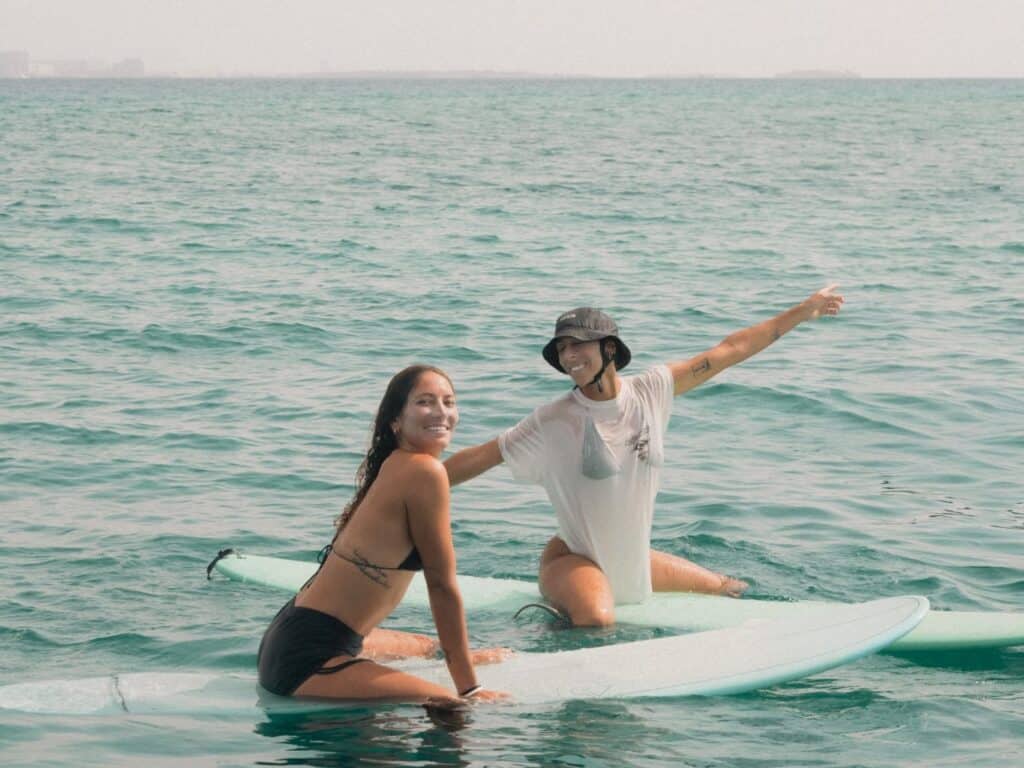
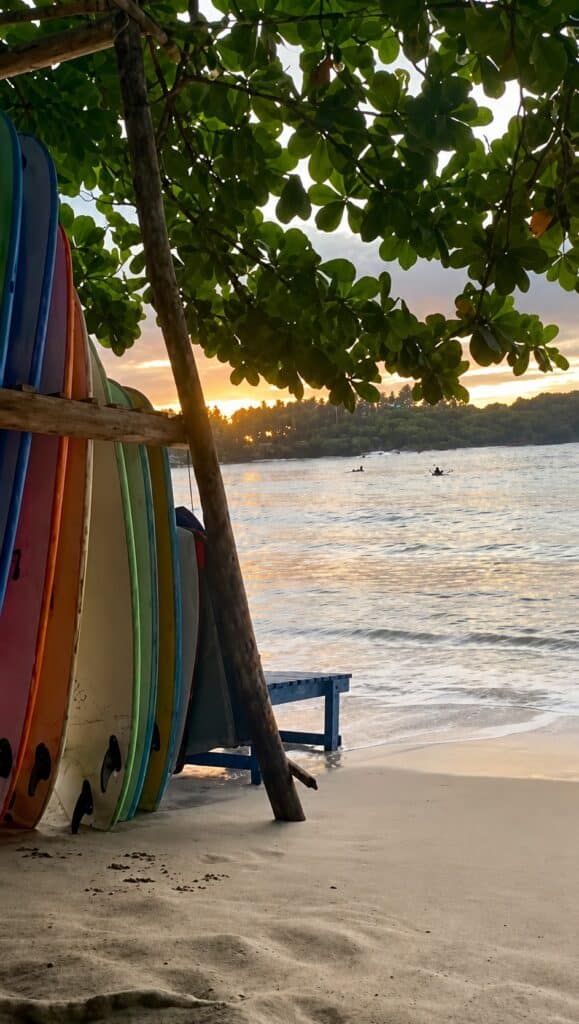
Sri Lanka is a fantastic destination for surfing, whether you’re catching your first waves or travelling specifically to explore different breaks. The island has two main surf seasons, which means there’s usually somewhere to find waves throughout the year. The important thing is knowing which coast to visit and choosing a break that matches your experience.
Surfing on the South Coast: November to April
During the southern surf season, generally from November to April, the south coast becomes the main destination for surfers. As the season begins, surf conditions gradually improve, bringing surfers back to the beaches and reef breaks along the coast.
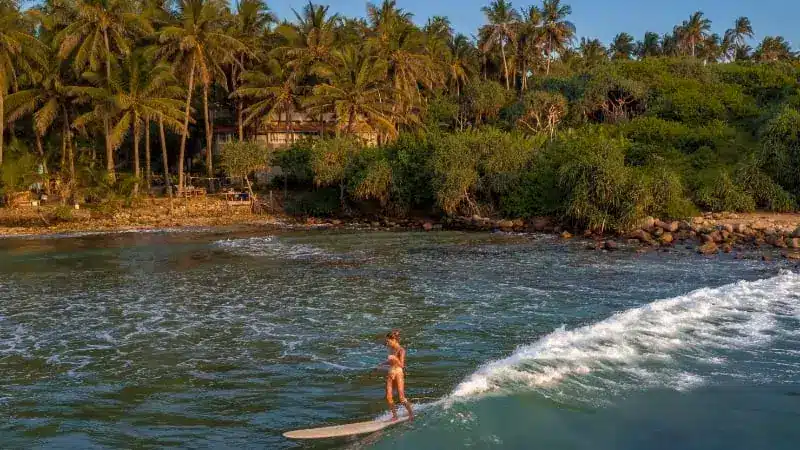
Hiriketiya is one of the most popular surf destinations in the area. Its beautiful horseshoe-shaped bay offers two different types of waves depending on the swell and conditions. The beach break is generally more suitable for beginners, while the reef break is better suited to experienced surfers. The bay has become an important meeting point for the local and international surf community.
This November also marks an exciting milestone for the bay, with the first Hiri Surf Competition taking place on 20 November 2026, proudly presented by Cielo Hiriketiya and Colombo Coffee Company. It’s a great opportunity to celebrate the growing surf community and enjoy some local competition right on Hiriketiya Beach.
There are plenty of other spots to explore nearby, each offering a different atmosphere and type of wave:
Surfing on the East Coast: April to October
Between April and October, the east coast becomes the main surf destination. Arugam Bay is the best-known surf town in the area and attracts surfers from around the world.
Main Point is the famous break in town, known for its long right-hand rides. Other popular spots include:
A Few Things to Remember
If you’re planning to surf your way around the island, remember that the best spot isn’t always the most famous one. Wind, swell, tides and crowds all make a difference, so staying flexible is part of the experience. Conditions can also vary considerably during the transition between seasons, particularly in November and April.
We’ve put together a more detailed guide to the different surf spots, including what you can expect from each location and where to go depending on the season.
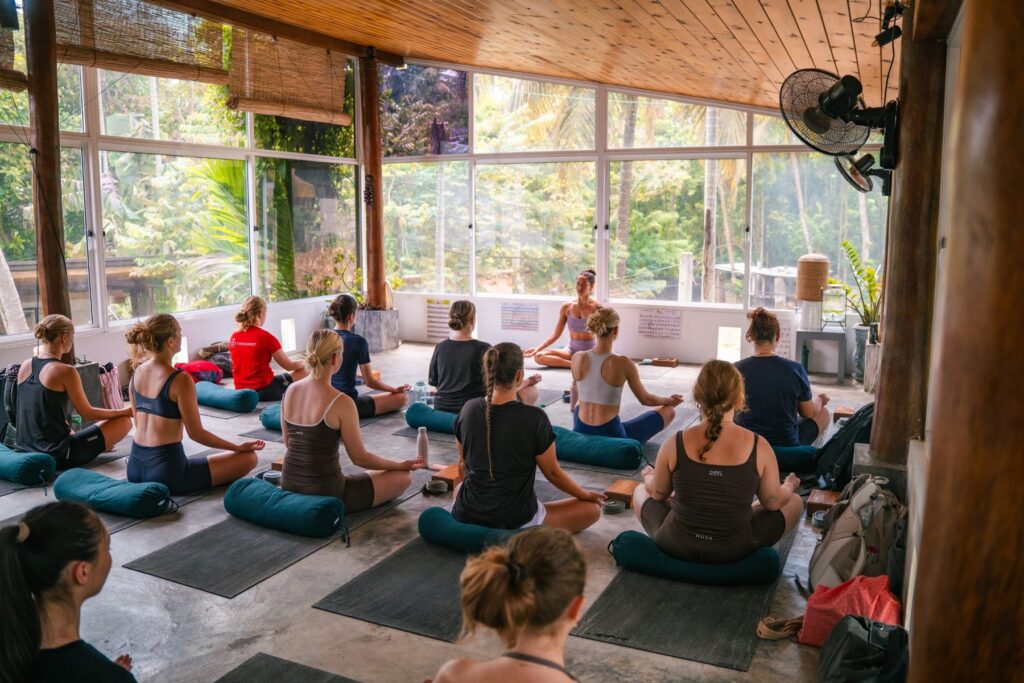
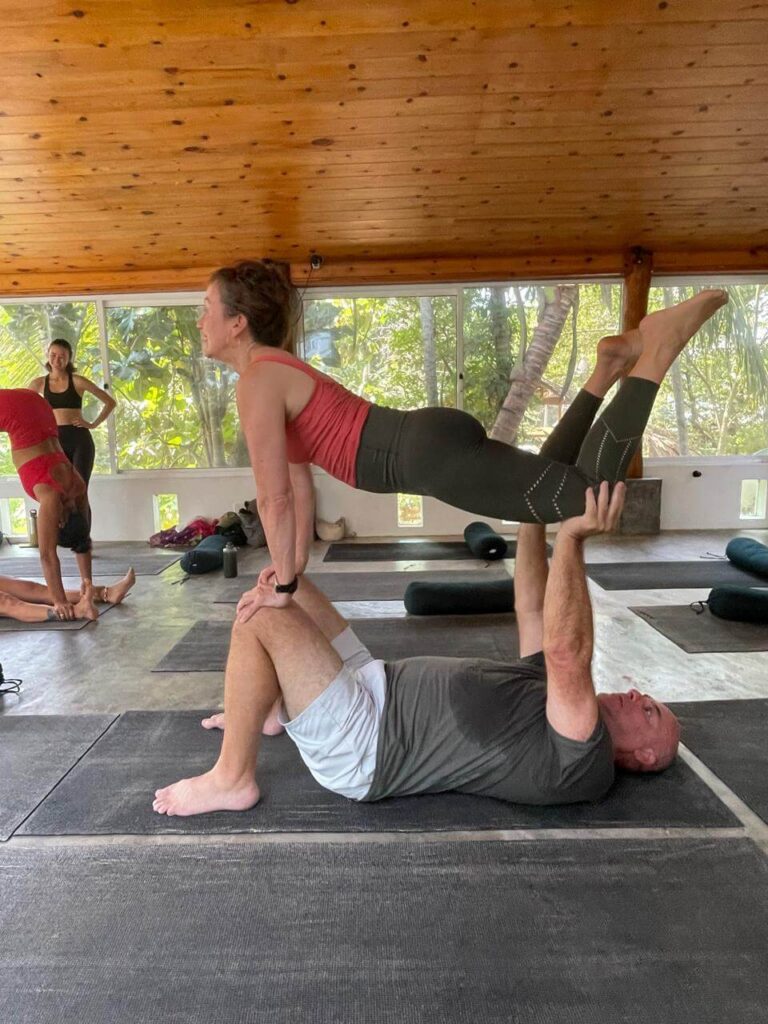
The south coast is not just about surfing and beaches. It has also become a great destination for wellness, with yoga studios, massage spaces, saunas, ice baths and fitness centres spread across the coastline.
Whether you’re looking to slow down with a yoga class, recover after surfing, enjoy a massage or keep up with your training routine, here are some places to explore.
Yoga & Movement
Sauna, Ice Baths & Recovery
If you’re looking for ways to relax and recover after surfing, training or simply spending time in the sun, these places offer different approaches to heat and cold therapy.
Massage & Wellness Treatments
From traditional massages to more specialised treatments, there are several places where you can take some time to unwind.
Gyms & Fitness Centres
If you want to keep up with your training while travelling, there are also several options along the coast.
Whether you prefer an active morning, a restorative afternoon or a combination of both, there are plenty of ways to look after yourself while exploring Sri Lanka.
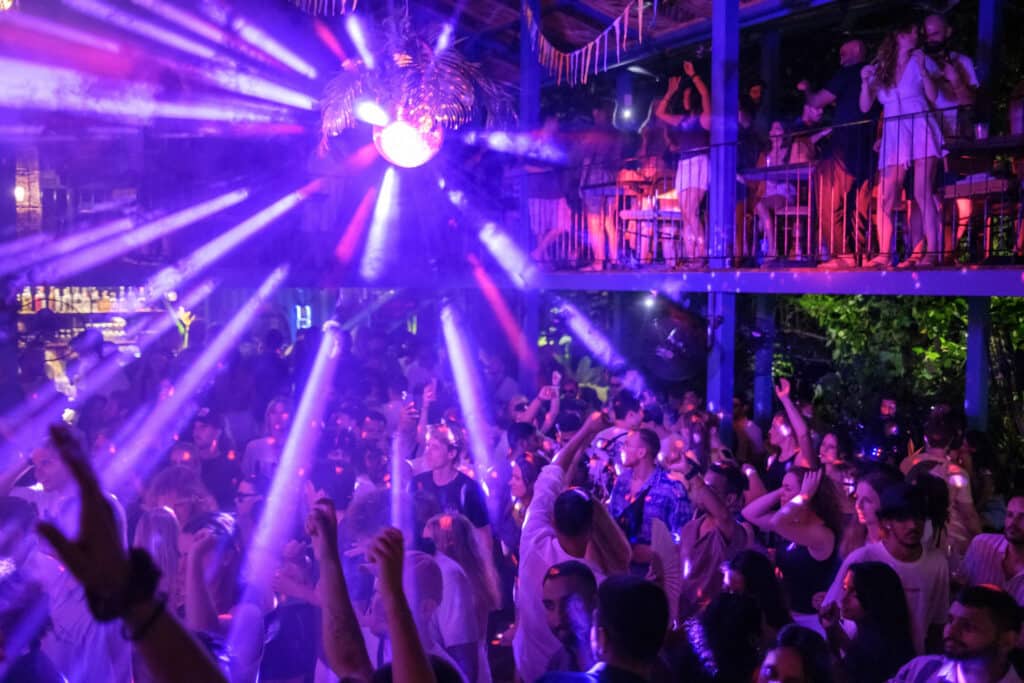
The south coast has a growing social scene, particularly during the main tourist season. It’s not all about nightclubs or big parties; you’ll find everything from sunset drinks and live music to DJ sets, beach gatherings and events that bring together travellers, locals and the surf community.
Hiriketiya has become one of the liveliest spots along the coast, with different venues hosting events throughout the week. If you’re staying in the area, here are a few places and nights worth knowing about:
Further west, MONO in Ahangama has become a well-known destination for music and nightlife, while The Doctor’s House in Madiha, is another popular venue for events, live music and larger gatherings.
You’ll also find events, live music and community gatherings around Weligama and Midigama, particularly during the main season. Some are organised by beach bars and restaurants, while others take place in independent venues and creative spaces.
The atmosphere can be quite different depending on the day of the week and the time of year. Some places are busy throughout the season, while others organise special events that are worth planning around. We recommend checking the venues’ social media pages before heading out to see what’s happening.
We’ve also written an article about how Hiriketiya’s social scene has evolved over the years, from its original surf-and-yoga atmosphere to the growing number of music events and nightlife options.
Read more: From Surf & Yoga to DJ Sets — How Hiriketiya Is Changing
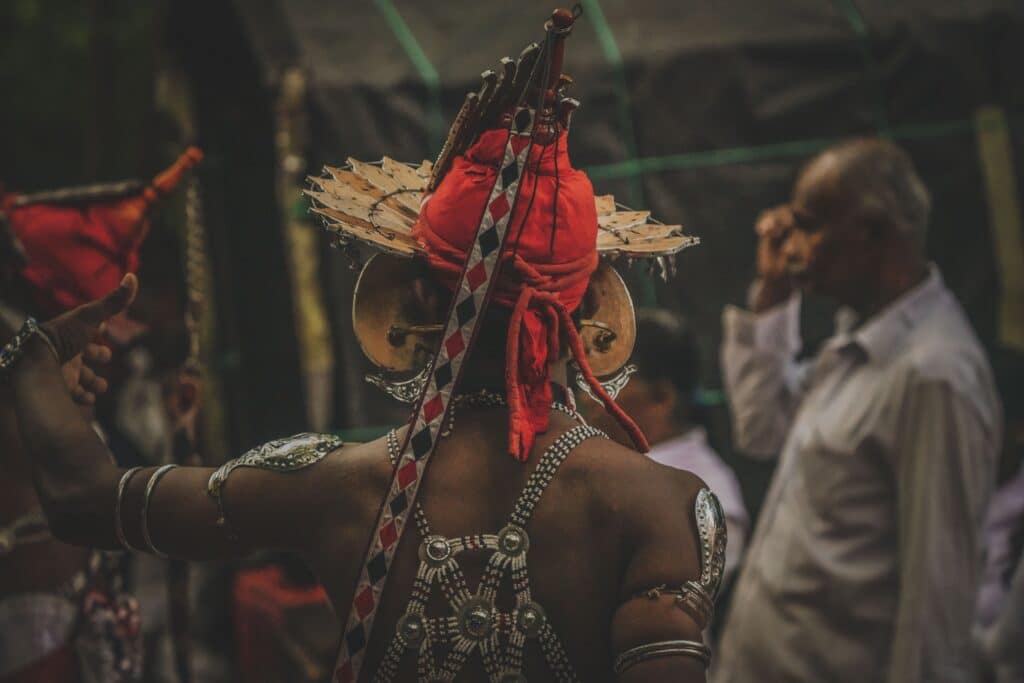
Sri Lanka has a rich cultural identity shaped by centuries of history, religion, trade and different communities. Beyond its beaches and surf spots, the south coast offers plenty of opportunities to discover local traditions, visit historic sites, explore traditional crafts and learn more about everyday Sri Lankan life.
Temples & Religious Heritage
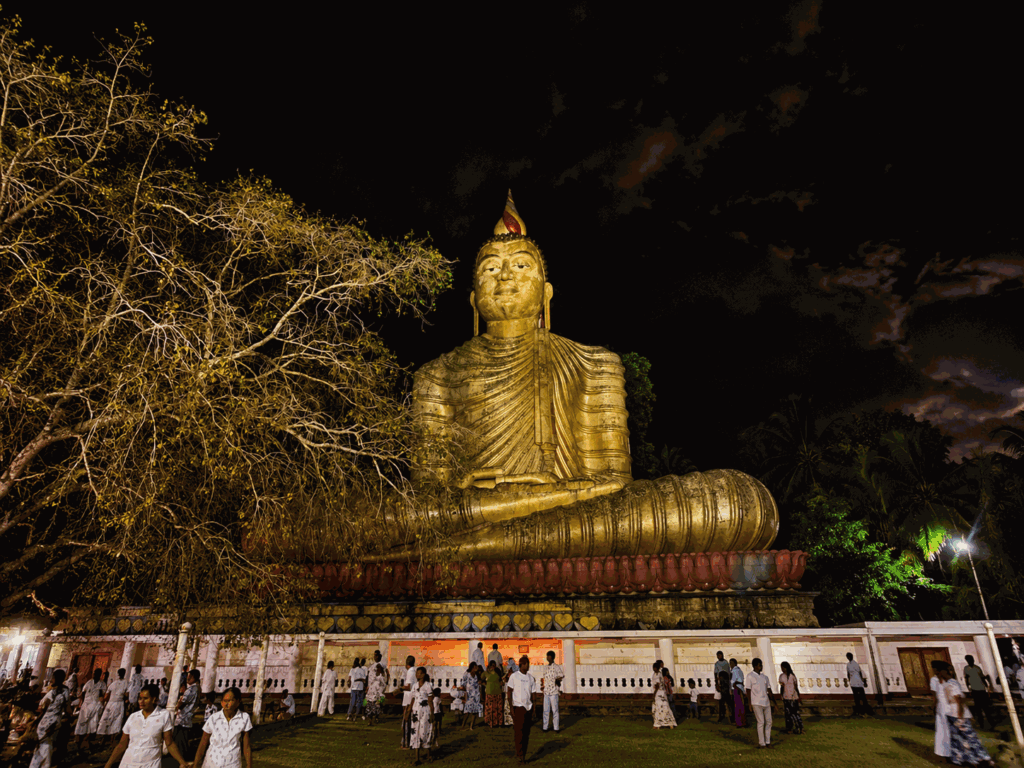
Temples are an important part of Sri Lankan culture and offer a glimpse into the island’s Buddhist traditions, art and architecture. When visiting, remember to dress modestly, cover your shoulders and knees, and remove your shoes before entering.
Colonial History & Museums
The south coast has a long history of maritime trade and colonial influence, particularly during the Portuguese, Dutch and British periods. These places offer a closer look at that history and how it shaped the region.
Traditional Crafts, Batik & Jewellery Making
Sri Lanka has a strong tradition of handmade crafts, from intricate batik textiles to jewellery made with locally sourced gemstones. If you would like to go beyond shopping for souvenirs, some workshops offer the opportunity to meet local artisans and learn about their techniques.
Traditional Dance, Masks & Performing Arts
Sri Lankan performing arts are closely connected to the island’s history, religious traditions and community celebrations. Traditional dances often feature elaborate costumes, rhythmic drumming and movements that have been passed down through generations.
Everyday Sri Lankan Culture
Some of the most interesting cultural experiences are not found in museums or organised tours, but in everyday life. Take time to explore local markets, visit a fishing village, watch how cinnamon is peeled or try a traditional Sri Lankan cooking experience.
A few simple ways to experience local life include:
Cultural Festivals & Important Dates
Sri Lanka celebrates a variety of religious and cultural festivals throughout the year. Some of the most important occasions include:
Exploring Sri Lanka’s Cultural Triangle
If you have more time to travel around the island, the Cultural Triangle in central Sri Lanka is well worth exploring. It is home to some of the country’s most important archaeological and historical sites.
Whether you spend an afternoon exploring Galle Fort, join a batik workshop or venture inland to visit ancient temples, there are many ways to discover the cultural side of Sri Lanka beyond the coastline.
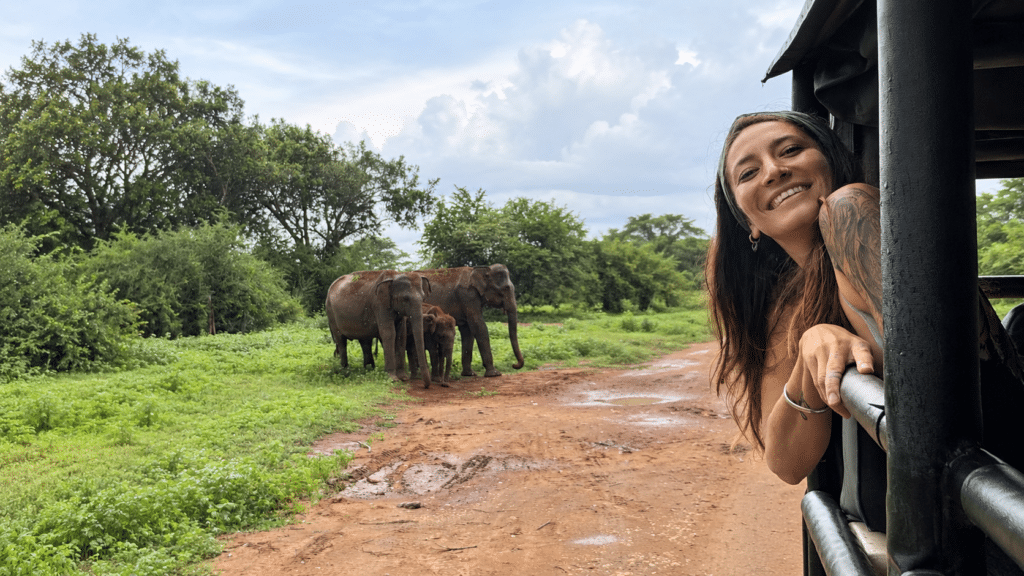
Sri Lanka is home to an incredible variety of wildlife, and visiting one of its national parks can be one of the highlights of your trip. Despite being a relatively small island, it has a remarkable range of ecosystems, from dry forests and grasslands to wetlands, lagoons and tropical rainforests. Depending on where you travel, you can encounter elephants, leopards, crocodiles, monkeys, deer and an impressive variety of bird species.
Yala National Park is probably the most famous wildlife destination in the country, particularly for its leopard population. Safaris usually take place in the early morning or late afternoon, when animals are more active. It can get busy, especially during peak season, so it’s important to choose a responsible operator who respects the park rules and does not crowd animals for photographs.
If seeing elephants is high on your list, Udawalawe National Park is a great option. The open landscape makes it easier to spot elephants, and the park is known for its large population. Further east, Kumana National Park is particularly interesting for birdlife, while Gal Oya offers a different experience, with the possibility of exploring the landscape by boat. In the north-west, Wilpattu National Park is another large reserve with a very different environment and its own wildlife.
You don’t have to visit a national park to experience Sri Lanka’s natural diversity, either. Around the south coast, Rekawa Lagoon is a lovely place to explore by kayak. You can paddle through the mangroves and wetlands, observe the surrounding birdlife and enjoy a quieter side of the coast away from the busier beaches.
Nearby, Rekawa Beach is also known for its sea turtle conservation work. Depending on the season, you may have the opportunity to learn about turtle nesting and conservation through local initiatives. If you choose to participate in a turtle-watching experience, make sure the organisation follows responsible guidelines and does not disturb nesting turtles or hatchlings.
For something completely different, Sinharaja Forest Reserve is a tropical rainforest and UNESCO World Heritage Site. It’s particularly interesting for nature lovers, with many endemic plants, birds and other wildlife. Walking through the forest with a knowledgeable local guide is a great way to learn more about Sri Lanka’s biodiversity.
Wherever you choose to go, we recommend prioritising responsible wildlife experiences. Avoid operators who encourage touching, feeding or chasing animals, and remember that seeing wildlife in its natural environment should always come before getting the perfect photograph.
If you have more time in Sri Lanka, we’d definitely recommend exploring beyond the south coast. The island is small enough to travel around, but each region offers a very different experience. You can go from tropical beaches to cooler mountain towns, ancient archaeological sites and national parks within just a few days.
If you’re planning to continue along the coast, you can travel west towards Mirissa, Weligama, Midigama, Ahangama and Galle. Each destination has its own atmosphere, and it’s worth spending a little time in more than one place rather than choosing only the most famous towns. Galle Fort is particularly nice for a slower day of walking, shopping and exploring its historic streets.
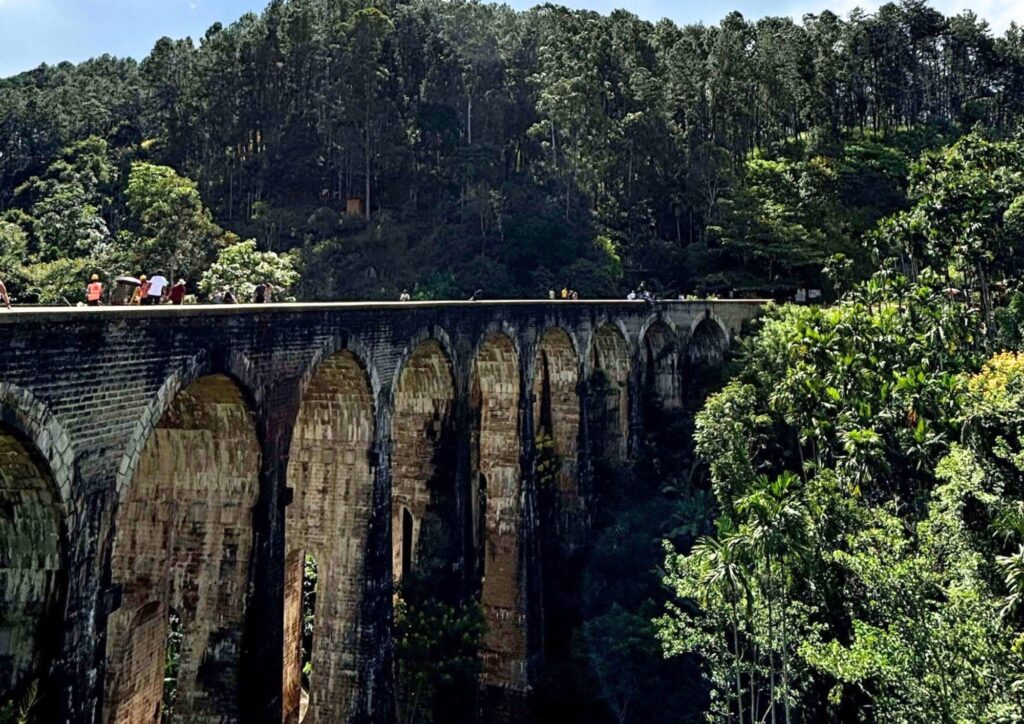
From the coast, many travellers head inland towards Ella. This mountain town is surrounded by tea plantations, waterfalls and hiking trails. You can visit places such as Little Adam’s Peak, explore the area around Nine Arch Bridge or simply enjoy the cooler weather and views. The journey itself is part of the experience, especially if you take the train through the central highlands.
If you enjoy nature and hiking, consider spending some time around Haputale or Nuwara Eliya as well. These areas offer beautiful mountain landscapes, tea estates and a glimpse into Sri Lanka’s tea-growing history. You can visit tea factories, learn about the production process and explore the surrounding plantations.
From Ella, you can continue towards Kandy, then travel north to the Cultural Triangle, including Sigiriya, Dambulla and Polonnaruwa.
Sigiriya is famous for its ancient rock fortress, archaeological remains and landscaped gardens. Dambulla is home to an impressive complex of cave temples decorated with Buddhist paintings and statues. Polonnaruwa and Anuradhapura were important centres of ancient Sri Lankan kingdoms, and their ruins, stupas and archaeological sites give you a glimpse into the island’s past.
You can finish your trip in Colombo before flying home, or continue towards the north or east coast if you have additional time.
If you’re visiting between May and September, consider adding Arugam Bay and the east coast to your route. The atmosphere there is very different from the south, and it’s a great option if you enjoy surfing and want to experience another side of the island.
One thing we always recommend is allowing enough time between destinations. Distances can look short on a map, but travelling around Sri Lanka often takes longer than expected. It’s better to enjoy a few places properly than spend your whole holiday moving from one hotel to another.
See you at Salt House!
The Salt House Team
Related
No results available
Stay turned