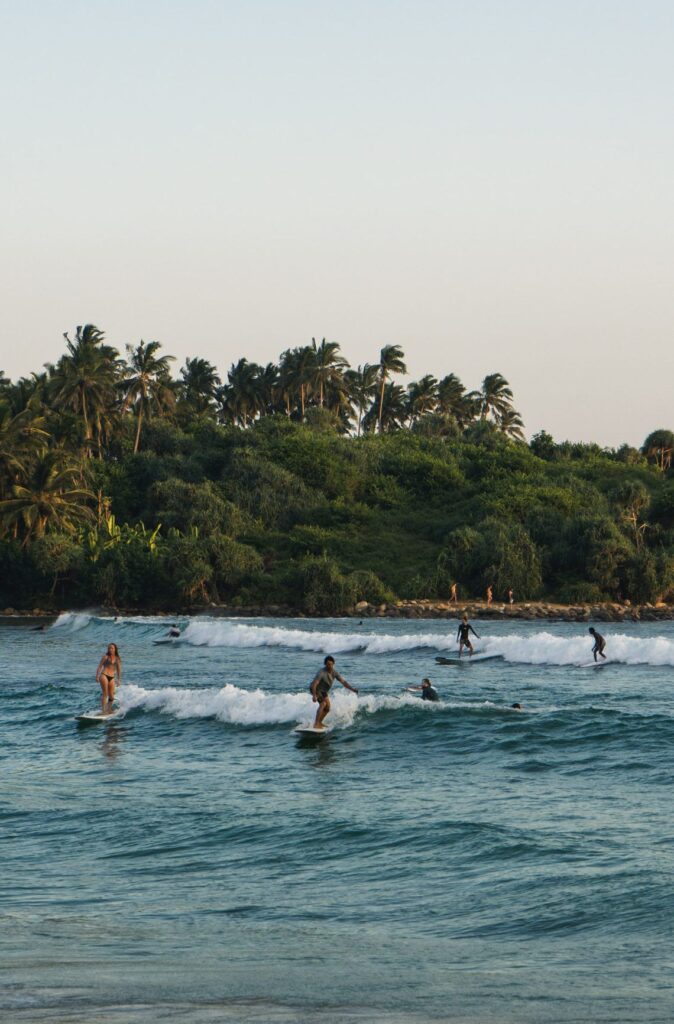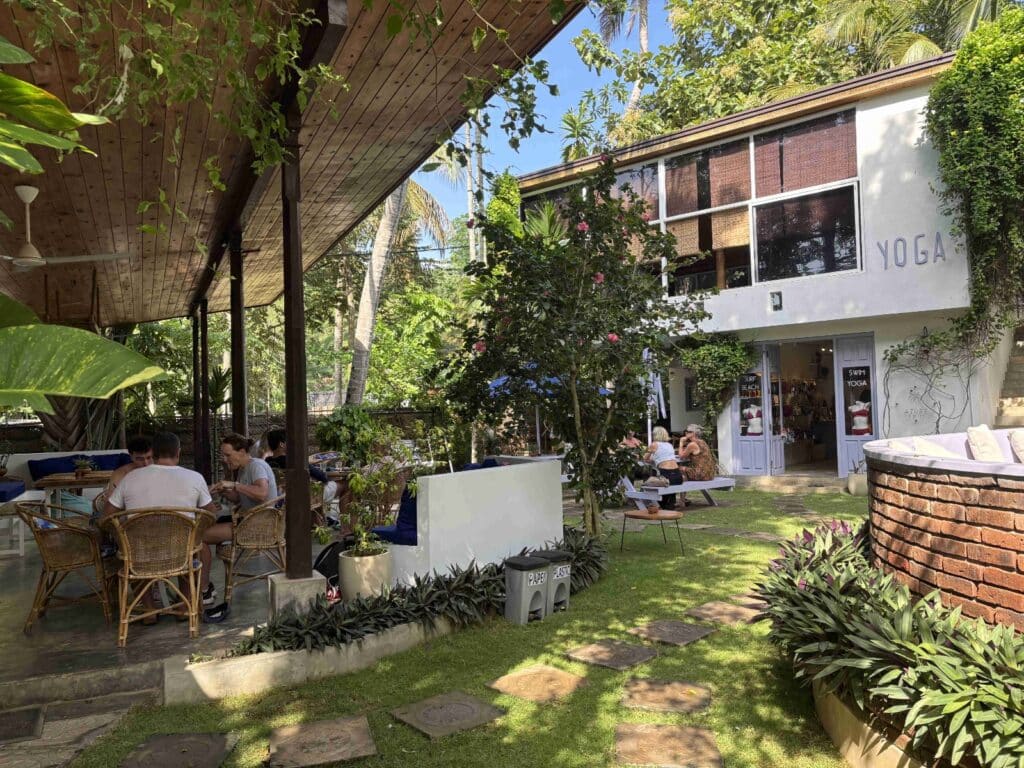
Sri Lanka is an island that quickly gets under your skin—between the fiery bowls of kottu roti, the swaying palms of the southern coast, and the lively, chaotic charm of a local bus, it is a destination of unforgettable contrasts. But like any truly adventurous journey, navigating the Pearl of the Indian Ocean requires a bit of practical know-how to ensure your trip is memorable for the right reasons. The island is incredibly welcoming, yet its unique rhythm and tropical climate can sometimes catch first-time visitors off guard. Whether you are chasing the perfect surf break in Hiriketiya, exploring the ancient inland temples of the Cultural Triangle, or simply trying to avoid being outsmarted by a monkey, a little upfront preparation goes a long way. Traveling smart here means knowing how to respect the deep-rooted local culture, staying healthy in the humidity, and figuring out how to get from point A to point B without a hitch. Keep reading for the essential safety and practical tips that will keep your Sri Lankan adventure running smoothly right from touchdown.
Having internet access as soon as you arrive makes everything easier, from finding your accommodation and checking maps to contacting your driver or calling for help if necessary. You have two simple options:
Set up an eSIM before your trip: An eSIM such as Airalo or Saily can be purchased before you fly, allowing you to connect as soon as you land without having to change your physical SIM card.
Buy a SIM at the airport: At Bandaranaike International Airport in Colombo, you will find official telecom provider counters, including Dialog and SLT-Mobitel, in the arrivals area. They are open 24/7, the prices are affordable, and staff can install and activate the SIM for you after checking your passport.
Accommodation transfers: For longer journeys, I recommend arranging your transfer through your accommodation rather than getting into a car with a random driver. Hotels and guesthouses generally work with trusted drivers they know and have a direct interest in making sure you arrive safely and comfortably.
Tuk-tuks and local apps: For shorter journeys, ask your accommodation if they have a trusted tuk-tuk driver and save their WhatsApp number. In bigger cities such as Colombo or Kandy, ride-hailing apps like PickMe and Uber are also convenient and reliable options.
Agree on the price: Cash is still commonly used for tuk-tuks, particularly outside the main tourist areas. Ask your accommodation roughly how much a journey should cost before you leave so you have an idea of the local price. Some independent drivers may try to charge tourists more than the usual rate.
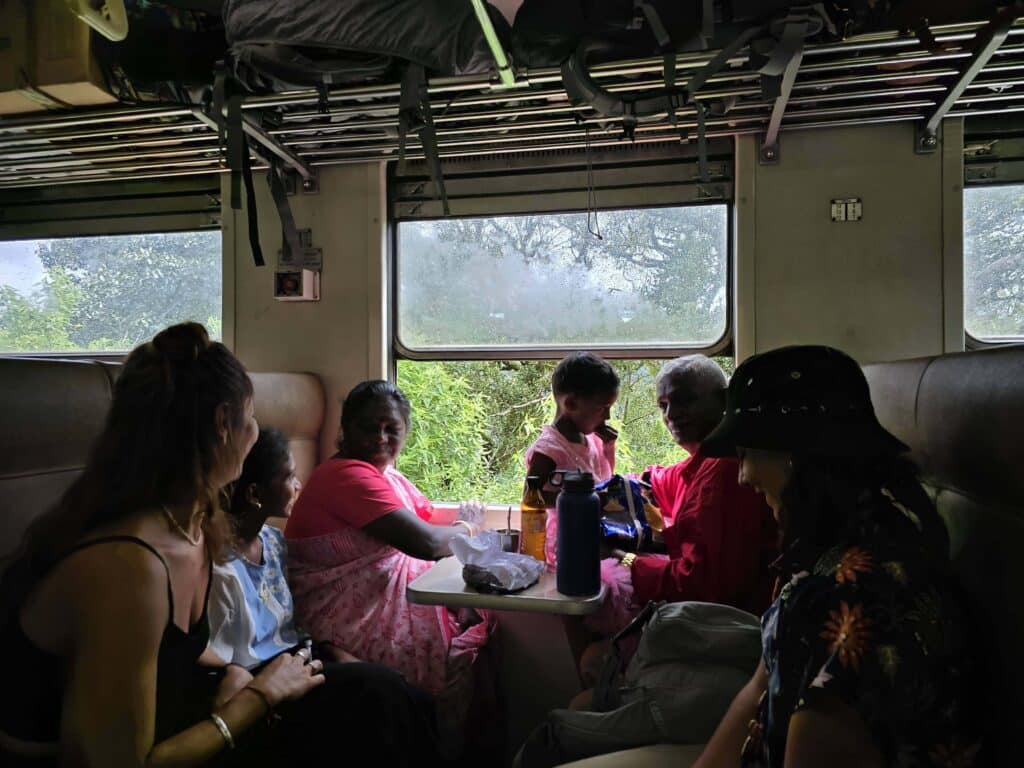
Try a local bus or train: Sri Lankan buses are extremely affordable and taking one is a great way to experience everyday local life. They can be loud, lively, and often come with plenty of Sri Lankan music! They are perfect for shorter journeys, although for long-distance travel or when carrying lots of luggage, a private transfer or a scenic train ride booked via Sri Lanka Railways Online Seat Reservation is considerably more comfortable.
Beach and towns: At the beach, normal swimwear is completely fine. However, nudity and topless sunbathing are illegal and culturally inappropriate in Sri Lanka. Once you leave the beach, it is respectful to cover up before walking around town, going into shops, or sitting at restaurants. A sarong, shorts, or lightweight shirt is usually all you need and will help you feel more comfortable while respecting local customs.
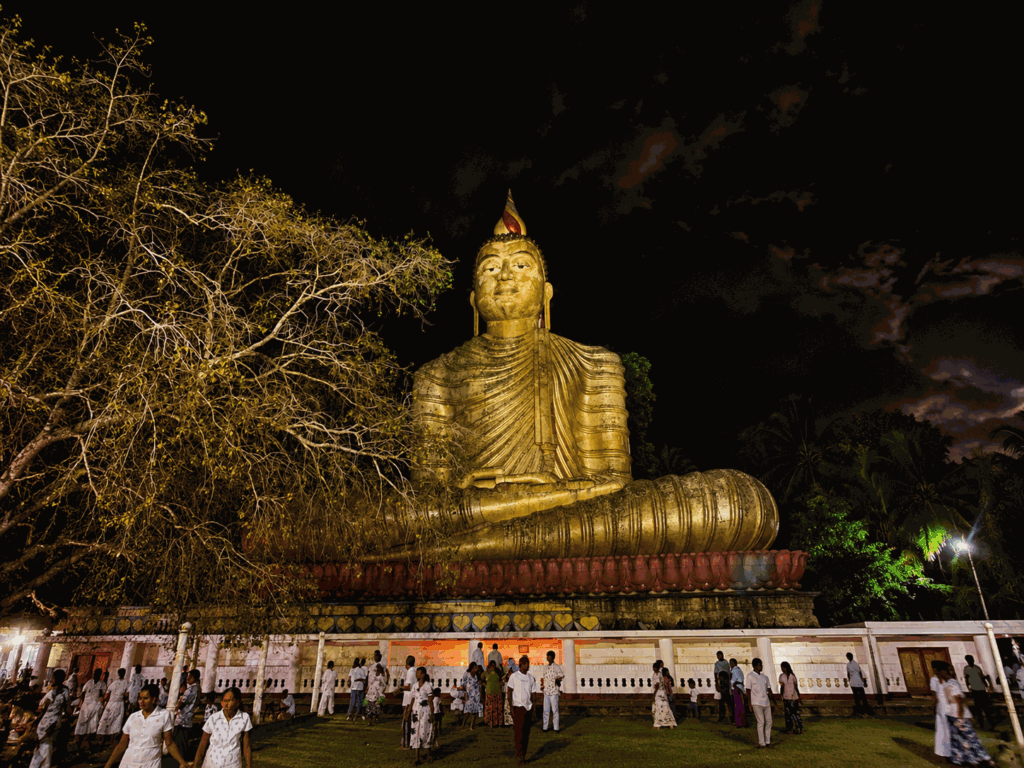
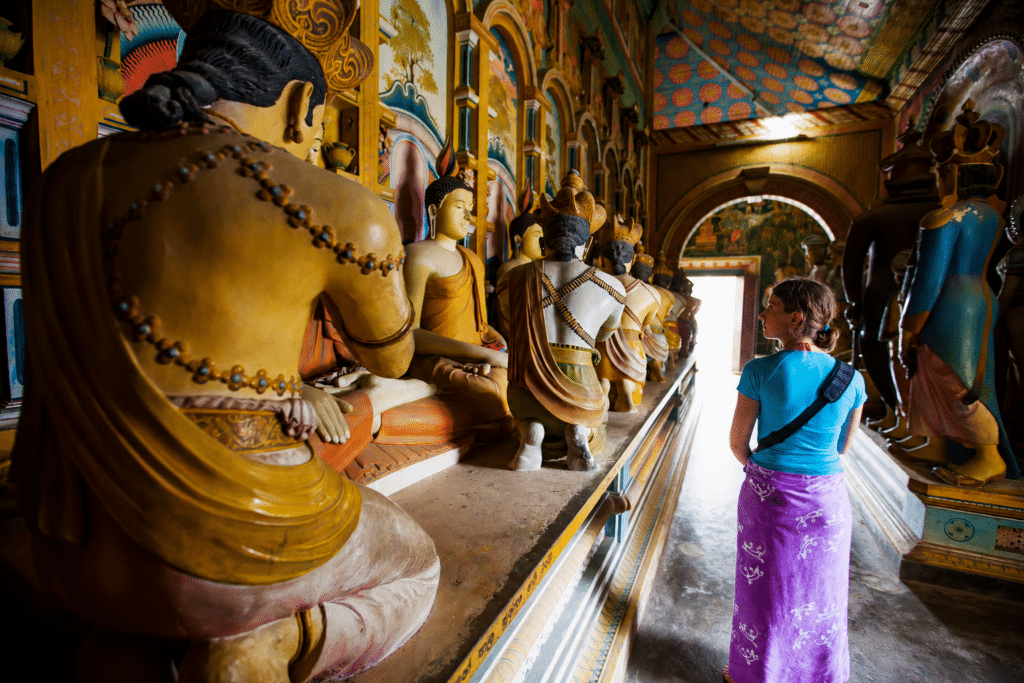
Temples and inland areas: When visiting Buddhist or Hindu temples, shoulders and knees should be covered. In places such as Kandy, the Cultural Triangle, and smaller inland villages, dressing more modestly in general is a simple way of respecting local traditions and can also help you avoid unwanted attention. I always recommend carrying a lightweight sarong or scarf in your bag.
For non-beach days: Loose trousers or a long skirt are a good option, particularly when visiting Kandy, the Cultural Triangle, or villages away from the main tourist routes. You will generally feel more comfortable and attract less attention.
If you are planning to hike through the jungle, bring long socks. Leeches are around during the wet season and they can be surprisingly persistent. They are not dangerous, but they are definitely unpleasant, and a good pair of socks can save you the trouble.
Comfortable sandals or flip-flops are also a must. You will constantly be taking your shoes on and off when visiting temples, so something easy to remove is ideal. Some temple floors and stones can become extremely hot, so having socks with you can also be useful.
Water and reusable bottles: Drinking tap water directly is not recommended in Sri Lanka, although it is generally fine for brushing your teeth. Bringing a good reusable bottle is a great way to avoid unnecessary plastic waste. Most hotels, guesthouses, and hostels have filtered drinking-water stations where you can refill.
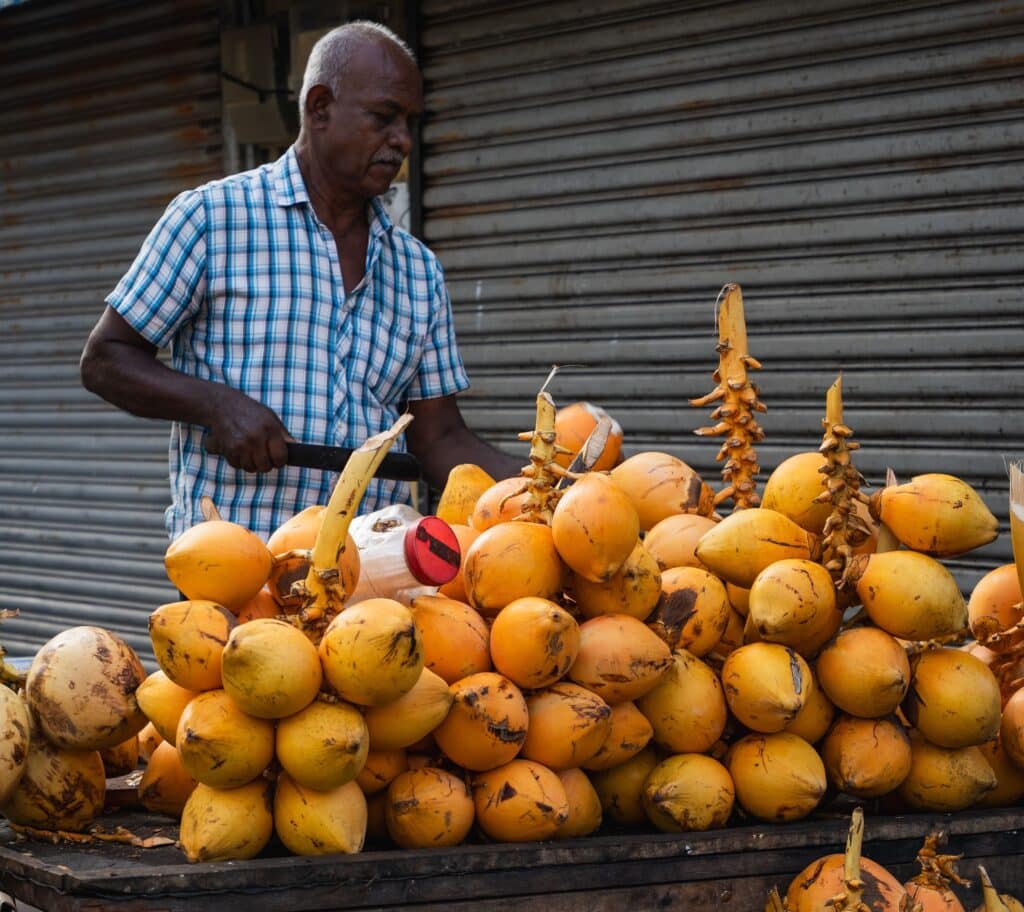
Natural electrolytes: I always recommend carrying a few basic travel essentials such as electrolyte sachets and Imodium, just in case. But one of the best and most natural ways to stay hydrated here is with a King Coconut (Thambili). You will see them being sold along roadsides all over the island, and vendors will cut them open fresh for you. They are refreshing, delicious, and naturally packed with electrolytes.
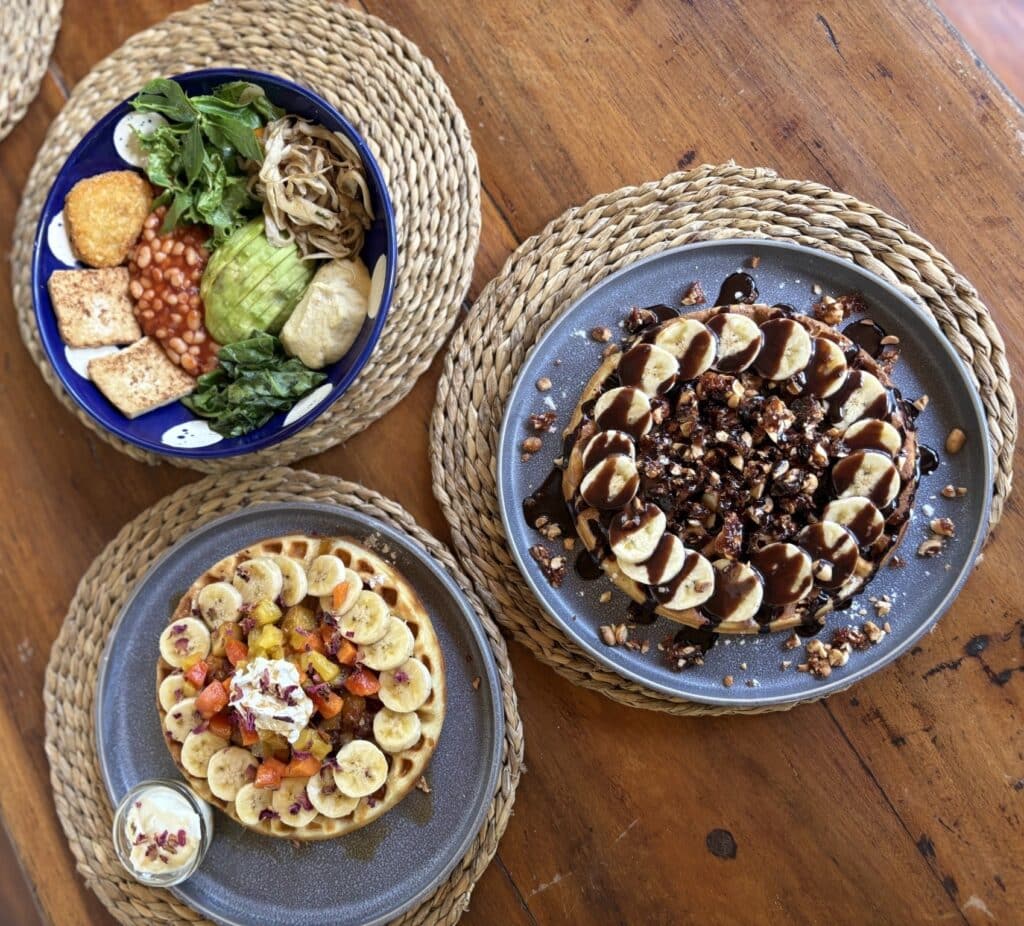
Enjoy the local food: Sri Lankan food is one of the highlights of traveling here. It is full of flavor and, in my personal experience, I have never had food poisoning during my time on the island. Don’t be afraid to eat at local restaurants and roadside spots and try things like roti, kottu, and rice and curry. Local food is usually incredibly affordable, often costing only a few hundred rupees. Having a few basic travel remedies with you means that if your stomach needs a little time to adjust, you are prepared.
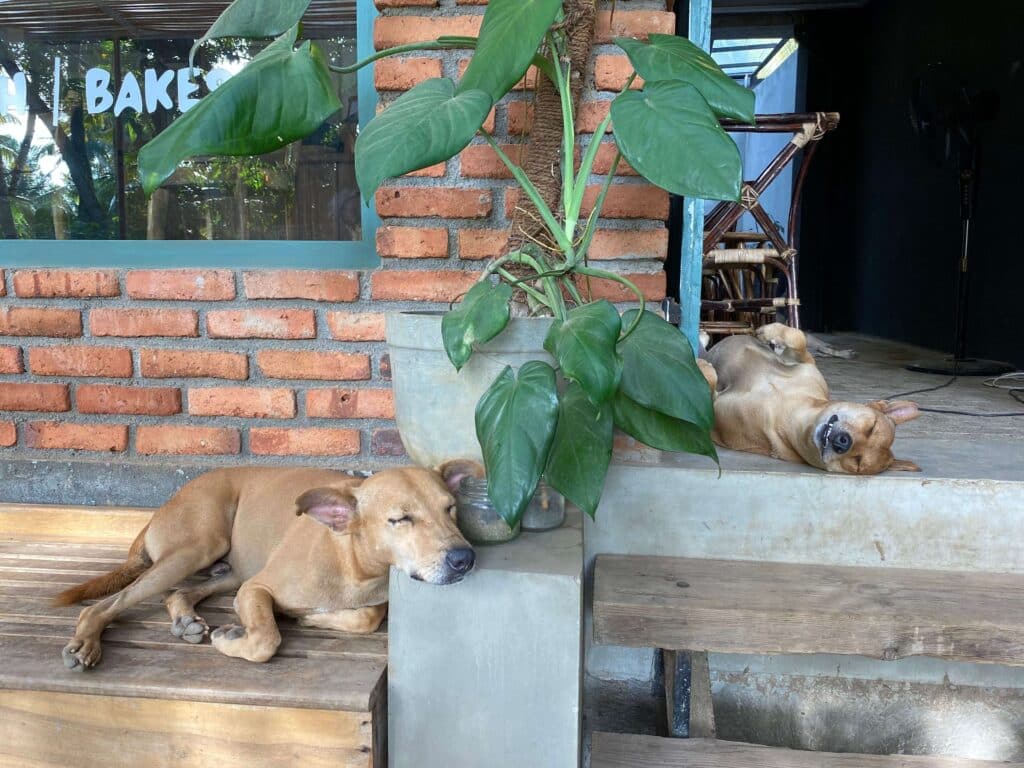
Street dogs / beach dogs: The dogs you see around the south coast are generally calm, friendly, and very used to being around people. They can be lovely companions during a beach walk, but I would still recommend enjoying them from a distance rather than touching them. If you notice a small notch or mark on a dog’s ear, this is commonly used locally to indicate that the dog has been vaccinated and sterilized. Several amazing NGOs across Sri Lanka work to care for, vaccinate, and sterilize street dogs—such as WeCare Worldwide and Dziko Project. If you are able to, supporting one of these organizations during your trip is a lovely way to give something back.
Monkeys: Monkeys are clever, quick, and always looking for an opportunity to steal food. They are not usually interested in opening bags and taking your belongings, but they can be very persistent when food is left unattended on tables, particularly in outdoor cafés or open-air accommodation. Two things are important to remember: avoid staring directly into their eyes and don’t smile at them. Showing your teeth can be interpreted as aggression in monkey communication. A neutral expression is definitely the safer option!
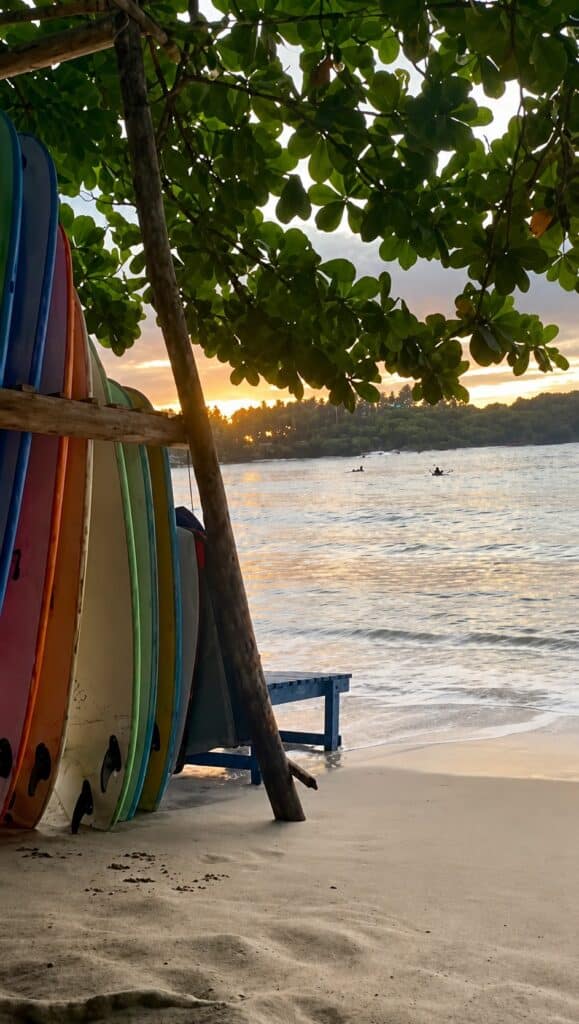
The beaches along Sri Lanka’s south coast are beautiful, and the strong surf community can make them feel very welcoming. However, currents and rip tides can be strong and are not always easy to spot from the beach.
Hiriketiya Bay is naturally sheltered and generally much calmer for swimming, while some of the surrounding beaches are considerably more exposed. Always check the local conditions on platforms like Magicseaweed / Surfline and pay attention to advice from locals or lifeguards where available. I would also avoid swimming alone on quiet beaches where there is nobody around to help if something goes wrong.
You will need a tourist Electronic Travel Authorization (ETA) before traveling to Sri Lanka. The application can be completed online via the official Sri Lanka ETA Portal and is generally processed within 24–48 hours. I recommend organizing it before you leave home rather than waiting until you arrive at the airport.
The standard tourist ETA allows a 30-day stay and can be extended through the Department of Immigration and Emigration if you decide to stay longer.
Most international travelers arrive through Bandaranaike International Airport (BIA), Sri Lanka’s main international airport, located near Colombo. This is also where you can easily purchase a local SIM card as soon as you arrive.
After spending so much time traveling around Sri Lanka, I never travel without insurance. Whether you are learning to surf, riding tuk-tuks every day, renting a scooter, or moving between different towns, unexpected things can happen. Comprehensive policies from providers like SafetyWing or World Nomads give you peace of mind while exploring. Dealing with an illness or injury while traveling alone, without insurance, is a situation I would rather avoid.
Navigating Sri Lanka ultimately comes down to a blend of common sense, cultural awareness, and a willingness to embrace the island’s wonderfully unpredictable pace. The minor travel hiccups—a delayed train, a brief standoff with a street-smart monkey, or a sweaty afternoon double-checking a bus route—are almost always outweighed by the overwhelming warmth of the Sri Lankan people and the raw, untouched beauty of the landscapes. By staying mindful of your surroundings, treating local customs with respect, and ensuring your basic logistics are sorted before you set off, you free yourself up to fully experience the ride. Traveling here asks you to be present, adaptable, and entirely open to the unexpected.
Grab a freshly cut King Coconut, lean into the beautiful, vibrant chaos of the streets, and let this remarkable island work its magic on you.
Cheers!
Salt House
Related
Events, Places
Blog, Yoga
No results available
Stay turned